
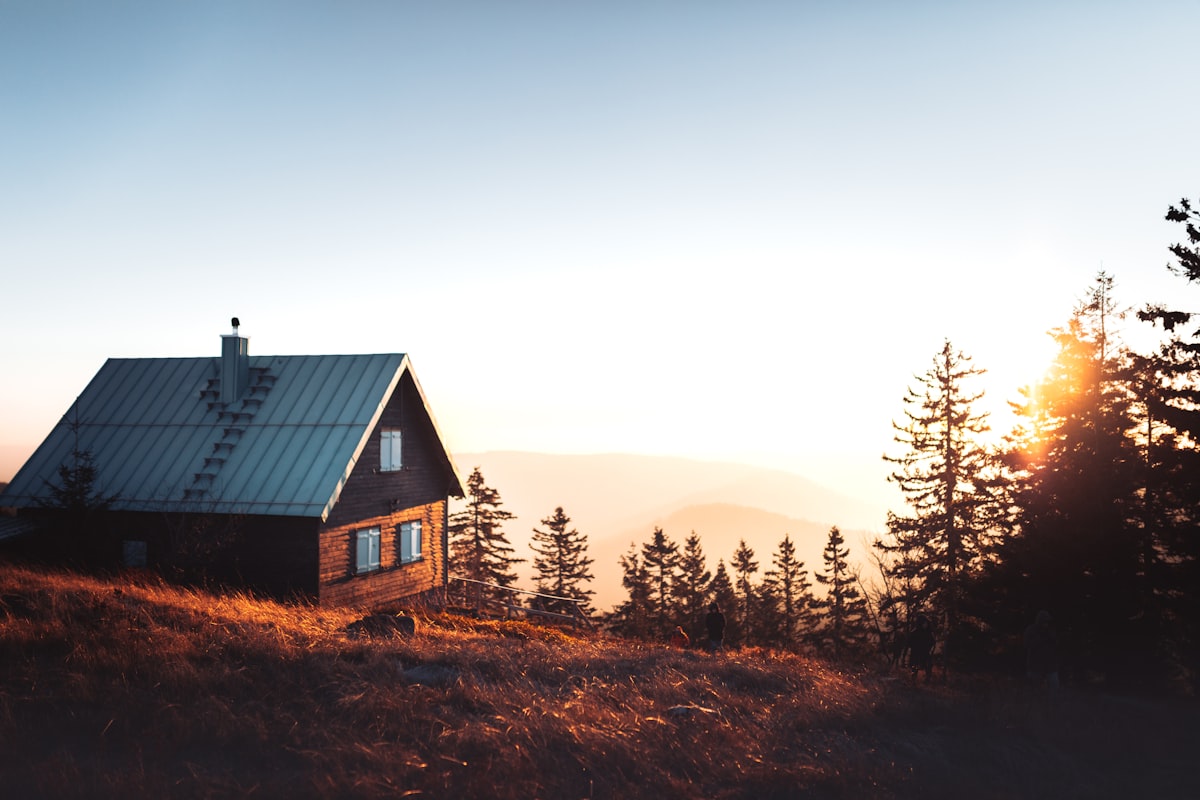
Building a log cabin from scratch is one of the most rewarding construction projects you will ever take on. There is something deeply satisfying about turning raw timber into a livable structure with your own hands. This guide walks you through every phase of the build, from selecting your site to putting on the finishing touches.
This is not a weekend project. A full-sized log cabin takes months of dedicated work. But with the right preparation, tools, and knowledge, it is absolutely achievable for a determined builder with basic construction skills.
Phase 1: Site Selection and Preparation
Choosing the right building site is the foundation of a successful cabin project, both literally and figuratively. Look for ground that is relatively level with good natural drainage away from the building footprint. Avoid low spots where water collects and areas directly under large trees that could fall on the structure.
Check local zoning and building codes before you break ground. Most counties require a building permit even for rural cabins, and setback requirements dictate how far your structure must be from property lines, roads, and water sources. Skipping permits creates legal headaches and can make the property unsellable later.
Clear the site of vegetation, stumps, and rocks in an area at least 10 feet larger than your cabin footprint on all sides. Grade the ground to ensure water flows away from where the foundation will sit. If your site has significant slope, you may need to excavate or build up one side, which affects your foundation choice.
Phase 2: Choosing and Sourcing Your Logs
The species of wood you choose affects everything from the cabin appearance to its structural integrity and insulation value. The most popular species for log cabins in North America include white pine, red cedar, Douglas fir, spruce, and cypress. Each has different characteristics.
White pine is lightweight, easy to work with, and widely available in the eastern United States. Red cedar is naturally rot-resistant and insect-resistant, making it ideal for humid climates but more expensive. Douglas fir is extremely strong and straight-grained, preferred in the Pacific Northwest. Spruce is affordable and light but requires careful sealing against moisture.
Logs should be harvested in winter when sap content is lowest, then peeled and dried for at least 6 to 12 months before building. Green logs will shrink as they dry, causing gaps between courses and settling issues. If you are buying logs rather than harvesting your own, look for kiln-dried stock from a reputable supplier.
For wall logs, aim for consistent diameters between 10 and 14 inches. Sort your logs by size — save the largest and straightest logs for the bottom courses (sill logs) and the top plate logs that carry the roof load.
Phase 3: Foundation Options
Every log cabin needs a solid foundation that keeps the bottom logs off the ground and distributes the building weight evenly. The three most common foundation types for log cabins are concrete piers, continuous concrete block walls, and full poured concrete slabs.
Concrete piers are the simplest and cheapest option. Poured into holes dug below the frost line, they support the cabin at regular intervals along the perimeter and under load-bearing points. Pier foundations work well on sloped sites and allow air circulation under the cabin, which helps prevent moisture problems in the bottom logs.
A continuous perimeter foundation of concrete blocks or poured concrete creates a crawl space under the cabin. This is more expensive but provides better protection against pests, allows room for plumbing and wiring, and gives the cabin a more finished appearance.
A full concrete slab is the most expensive foundation option but provides a rock-solid base, integrated floor, and excellent thermal mass. Slabs work best on level sites and in moderate climates where frost heave is not a major concern.
Phase 4: Laying the First Courses
The sill logs — the first course of logs sitting on the foundation — are the most critical logs in the entire structure. They carry the weight of every log above them and are most vulnerable to moisture. Use your largest, straightest, most rot-resistant logs for the sills. Place a layer of sill seal foam gasket between the foundation and the sill logs to prevent air infiltration.
Flatten the bottom of each sill log so it sits firmly on the foundation. The top should be flattened or grooved to accept the next course. Secure the sill logs to the foundation with anchor bolts or heavy-duty lag screws embedded in the concrete.
As you lay subsequent courses, each log must be scribed or grooved to fit tightly against the log below. This is where your notching technique determines the tightness and character of your cabin walls.
Phase 5: Notching and Stacking Walls
The corner notching method you choose defines the look and structural integrity of your cabin. The most common techniques are the saddle notch, the dovetail notch, the butt-and-pass, and the Scandinavian full-scribe method.
Saddle notches are the most beginner-friendly. A rounded groove is cut into the bottom of each log where it crosses the perpendicular wall log. The log settles into the notch under its own weight, creating a tight joint that improves as the logs dry and compress.
Dovetail notches are more complex but create an extremely strong, self-locking joint. The flared shape of the dovetail prevents logs from pulling apart in any direction. This method is common in historic cabins throughout the Appalachian region.
As you stack courses, apply chinking material or foam backer rod between each log to seal against air and water. Use through-bolts or long lag screws every 4 to 6 feet to tie the wall courses together vertically. This prevents the walls from shifting and helps the logs compress evenly as they settle.
Phase 6: Window and Door Openings
Cutting openings in a log wall requires careful planning because log walls settle as the wood dries — typically 1 to 2 inches per foot of wall height over the first few years. Every window and door frame must include a slip joint at the top that allows the logs above to settle without crushing the frame or cracking the glass.
Install a buck frame (also called a key frame) in each opening. The buck frame has vertical channels that accept splines attached to the ends of the cut logs, holding the wall together while allowing vertical movement. Leave a 2 to 3 inch gap above each frame filled with compressible insulation to accommodate settling.
Phase 7: Roof Framing
The roof is typically the most challenging phase of a log cabin build. Most cabin roofs use either a conventional rafter system or log purlins supported by gable-end walls. The traditional purlin-and-rafter system uses peeled log purlins running from gable to gable, with smaller rafters or boards laid across them to create the roof deck.
A ridge beam at the peak, supported by the gable walls and any interior load-bearing walls, carries the upper ends of the rafters. The lower ends rest on the top plate logs of the side walls. For cabins wider than 20 feet, intermediate purlins or support posts prevent the rafters from sagging.
Roof pitch should be at least 4:12 for adequate water and snow shedding. Steeper pitches of 8:12 or more shed snow quickly and create usable loft space but require more roofing material. Install tongue-and-groove decking over the rafters, followed by a waterproof membrane, insulation if desired, and your final roofing material.
Phase 8: Chinking and Sealing
Once the walls and roof are complete, every gap between logs must be sealed. Modern synthetic chinking products are flexible, durable, and available in colors that match your logs. Apply chinking over a backer rod pressed into the gap — the backer rod controls the depth of the chinking and prevents it from bonding to three surfaces, which would cause it to crack as the logs move.
Seal the entire exterior with a high-quality log cabin stain that includes UV protection and mildewcide. Apply at least two coats to sun-exposed walls. This first application sets the baseline for all future maintenance — do it right and your cabin will look great for years.
Phase 9: Interior Finishing
With the shell complete and weathertight, interior finishing begins. Run electrical wiring and plumbing before closing up interior walls. In a log cabin, wiring often runs through the floor system, along the base of walls in hidden channels, and up through interior partition walls to reach outlets and switches.
Install flooring over your subfloor — wide plank pine, hardwood, or engineered wood all work beautifully in a cabin setting. Build interior partition walls using conventional framing or log construction depending on your preference. Finish the ceiling with tongue-and-groove boards or leave the roof structure exposed for a dramatic open-beam look.
What to Expect: Timeline and Budget
A DIY log cabin build typically takes 12 to 24 months from site preparation to move-in, depending on size, complexity, and how much time you can dedicate. Budget at minimum 50 to 100 dollars per square foot for a basic cabin using self-harvested logs and significant sweat equity. Purchased logs, hired labor for specialized tasks, and higher-end finishes push costs to 150 to 300 dollars per square foot.
The most important investment is knowledge. Read everything you can, attend a log building workshop if possible, and visit completed cabins to study the craftsmanship up close. Building a log cabin is a journey — enjoy every step of it.