
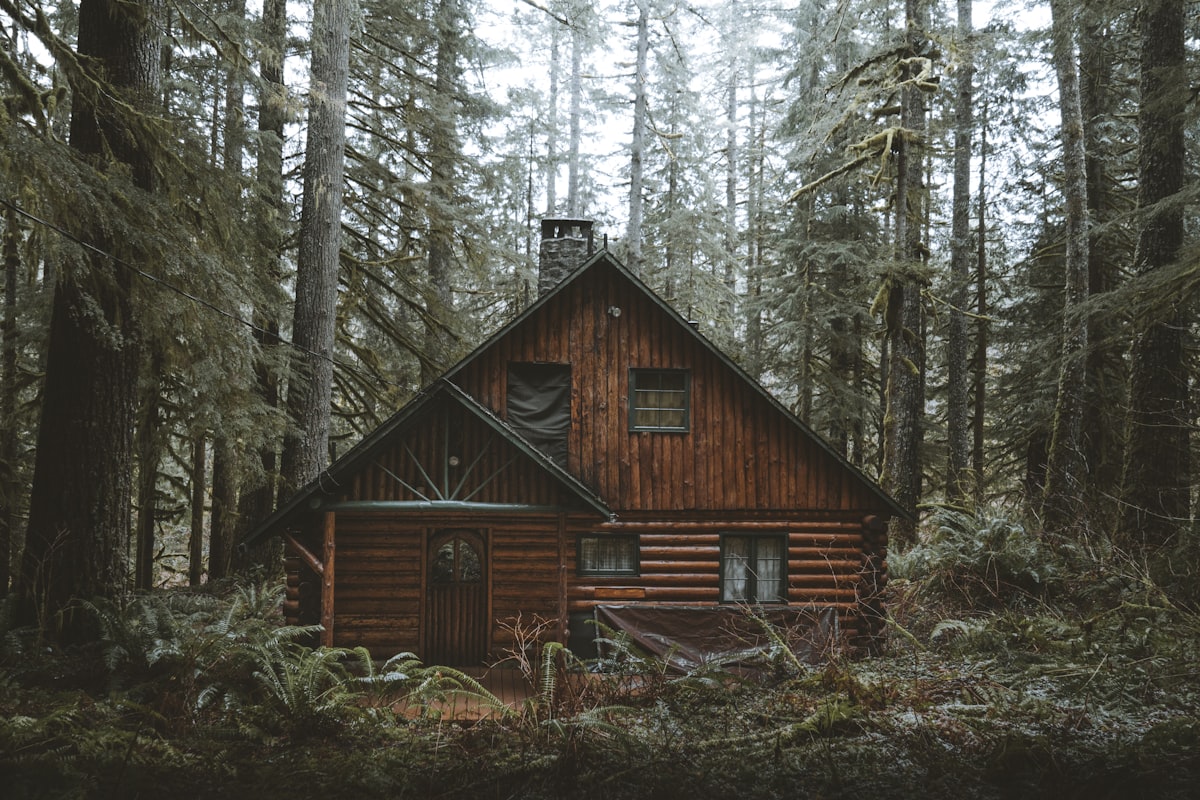
Building a log cabin from a kit is one of the most accessible ways to own your dream cabin. Log cabin kits come with pre-cut, pre-notched logs and detailed instructions that simplify the construction process dramatically. Whether you want a small weekend getaway or a full-sized family home, there is a kit out there for every budget and skill level.
But not all kits are created equal. Prices range from a few thousand dollars for a basic shed-style cabin to well over six figures for a luxury home package. Understanding what you are buying — and what you still need to provide — is the key to a successful cabin kit purchase.
What Comes in a Log Cabin Kit?
A standard log cabin kit typically includes pre-cut and numbered wall logs, roof rafters or trusses, tongue-and-groove roof decking, interior partition logs, fasteners and sealant, and a set of blueprints. Higher-end kits may also include windows, doors, porch materials, and interior finishing packages. What almost never comes included is the foundation, plumbing, electrical, HVAC, and interior finishing like flooring and cabinetry. Make sure you budget for these extras — they often cost as much as the kit itself.
Types of Log Cabin Kits
Full-Scribe Kits
Full-scribe kits use hand-peeled logs that are individually scribed and fitted together with no gaps. This is the most traditional and visually stunning method, but it requires more skill to assemble. Full-scribe kits command premium prices but deliver an authentic, airtight structure.
Milled Log Kits
Milled log kits use machine-cut logs with uniform dimensions and tongue-and-groove profiles. They are easier to assemble, more affordable, and still look beautiful. This is the most popular option for DIY builders because the consistent sizing means fewer surprises during construction.
Handcrafted Kits
Handcrafted kits split the difference — logs are hand-peeled and shaped but cut to specific dimensions using both hand tools and machinery. These kits offer rustic character with more predictable assembly than pure full-scribe methods.
How to Choose the Right Kit Size
Start by defining how you will use the cabin. A weekend retreat for two can work beautifully at 400 to 600 square feet. A vacation cabin for a family needs at least 800 to 1,200 square feet. A full-time residence typically requires 1,500 square feet or more. Remember that log cabins feel more spacious than their square footage suggests thanks to open floor plans and vaulted ceilings common in kit designs.
Top Log Cabin Kit Manufacturers
Several reputable companies have been producing quality log cabin kits for decades. Conestoga Log Cabins offers budget-friendly kits starting around 5,000 dollars for small models. Coventry Log Homes provides mid-range to premium kits with extensive customization options. Honest Abe Log Homes is known for high-quality milled logs and excellent customer support. Yellowstone Log Homes specializes in handcrafted kits for those who want maximum rustic character. Always request references and visit completed cabins before committing to a manufacturer.
What Does a Log Cabin Kit Cost?
Budget kits for small cabins under 500 square feet start around 5,000 to 25,000 dollars. Mid-range kits for 800 to 1,500 square foot cabins run between 30,000 and 80,000 dollars. Premium kits for large homes can exceed 150,000 dollars for the kit alone. The total finished cost — including foundation, labor, utilities, and finishing — typically runs 2 to 3 times the kit price. A 50,000-dollar kit often becomes a 120,000 to 150,000-dollar finished cabin.
Can You Build a Kit Cabin Yourself?
Many kit manufacturers market their products as DIY-friendly, and for smaller cabins this is genuinely true. A handy person with basic carpentry skills and a few helpers can assemble a small milled-log kit in a few weekends. Larger cabins and full-scribe kits usually require professional help, at least for the log raising and roof framing. Even if you hire a crew for the shell, you can save thousands by doing interior finishing yourself.
Key Questions to Ask Before Buying
Before signing a contract, ask these critical questions: What species of wood is used, and is it kiln-dried? What is the log diameter and profile style? What exactly is included in the kit price, and what is excluded? Does the manufacturer provide engineering stamps for your local building department? What is the warranty on the logs and materials? Is on-site assembly assistance available? Getting clear answers to these questions up front prevents expensive surprises later.
Bottom Line
A log cabin kit is an excellent way to make cabin ownership a reality without starting from zero. Do your homework on manufacturers, understand the true total cost beyond the kit price, and be honest about your DIY skills. With the right kit and careful planning, you can be sitting on your own cabin porch sooner than you think.